_edited.png)


Ultra-Processed Foods: What They Are and Why You Should Care
- Jun 22, 2025
- 1 min read
Updated: Jun 22, 2025
These aren't just buzzwords — they're the silent drivers of chronic illness, even in "healthy" looking meals.

What exactly is ultra-processed food?
Think of it like this: if your food had to go through more steps in a lab than your last science project, it’s probably ultra-processed. We're talking artificial sweeteners, colorings, seed oils, emulsifiers, stabilizers — ingredients you wouldn’t find in a regular kitchen.
The NOVA classification system defines ultra-processed foods as those designed to be hyper-palatable, shelf-stable, and cheap. But they come at a cost.

The invisible effects on your body
Even when calorie counts are similar, ultra-processed foods disrupt your body in ways you can't always feel at first. Studies link them to:
Higher rates of obesity, diabetes, and heart disease
Increased inflammation and gut dysbiosis
Higher risks of depression and cognitive decline
These foods often hijack your hunger cues, leading to overeating, even if your calorie app says you're “on track.”



Why most nutrition apps miss the point
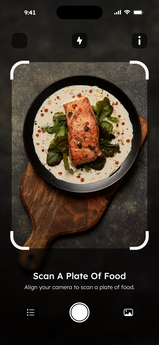
Most apps track macros and calories. Few flag the hidden additives, artificial emulsifiers, and ultra-processed indicators. That’s why NutriLab uses NOVA classification and AI ingredient scanning — we surface what others ignore.
Because food isn’t just fuel — it’s a chemical conversation with your body.
Start making better choices today
You don’t need to be perfect. Just informed.
And the first step? Start seeing what your food is really made of. NutriLab flags ultra-processed ingredients and explains exactly why they matter — in plain language.